The #MeToo is something that without understanding or context is just another hashtag. This is how sexual assault is still in a way viewed by society .Without the back stories of the victims, the pain behind them lays dormant and it is easy to overlook the whole issue. This is the whole purpose of this hashtag, to let victims share their stories without having to wave a huge flag that says ‘Hi I was assaulted or raped’.
The movement was created in the wake of the sexual assault allegations against film producer Harvey Weinstein. The ‘MeToo’ movement itself was originally created in 2006, by activist Tarana Burke. In 2017 as allegations poured in against Weinstein, among them was Rose McGowan the first to come forward and share that she was raped. As the case against Harvey Weinstein grew, friend of McGowan and fellow co-star Alyssa Milano took action. She encouraged women from all around the world to tweet #MeToo, to publicize their experiences and demonstrate the widespread problem and nature of misogynistic behaviour. And more importantly how this behaviour goes unspoken and unpunished.
Many people will dismiss this issue and view it as irrelevant to their lives, to me it will never be irrelevant. It’s with me every time I walk down a dark alley at night, when I’m in my house on my own, it’s with me every day and I’m not alone in this. Before I shared my story I was aware that I would probably stand alone and I was ready for the backlash that came with making my story public. Instead I was greeted by girls so many girls sharing their stories with me. How they felt brave enough after seeing my post and my article, to speak about their attacks with someone. Although I felt comfort in knowing I wasn’t alone. This revelation was shocking and horrifying to me, realising how many more people out there keep their stories to themselves. Women all over the world are facing these life changing realities on their own, with no support network and no hope. This is why #MeToo is so unique it gave women a platform to speak about something that has been pushed down in society for centuries.
Journalist Jessica Valenti quoted that ‘#MeToo is not about what’s legal, it’s about what’s right’. It is true that we are all saying no to violence and harassment through this movement, but it’s not just about stopping sexual violence anymore. It’s about changing the misogynistic behaviours in society, that we are taught are okay from birth. Rape, assault and harassment are all identified by the law as wrong, however there are unacceptable sexual norms that occur every day. Many of my close friends have admitted to saying no to sex, then being worn down by the person they’re having sex with, and eventually saying yes. Men are taught that this type of sexual behaviour is okay because ‘they haven’t broken a law’. In 2018 is it too much to ask to only have sex with women who are enthusiastic about that yes, they give you when consenting to sex.
#TimesUp is a movement that has followed in the footsteps of #MeToo. #TimesUp was originally dedicated to women in low income jobs who face harassment as part of their daily routine, and this harassment is overlooked because it is not ‘rape’. The Alianza Nacional de Campesinas wrote a letter of solidarity to all the women of Hollywood who were involved in exposing Harvey Weinstein. Through their sexual abuse allegations. Time then published the letter, in return exposing the accounts of harassment and assault among 700,000 female farmworkers throughout the United states. The movement itself is growing every day and is dedicated to supporting women, people of colour and the LGBT community, and all minority groups. All of whom face abuse on a daily basis, but do not necessarily have the funds or media platforms to speak out against the harassment they face.
Both of these movements are about people listening, to the survivors to what they had to go through, how they’ve been changed and how they’ve overcome what happened to them. This movement and hashtag has given women who have stayed silent for so long, hope. People ask what they can do to help this worldwide issue, it’s simple. If a woman expresses feeling uncomfortably in a situation or if she talks about being degraded or disregarded at work, listen. I promise no women is trying to boast when talking about their experiences, if they confide in you about any sort of harassment, just listen. It is not enough to be just aware of these situations, we must actively stop them in everyday life. It is easy for men to follow the law, but to rethink all they’ve been taught about, desire, sex and power. This concept is something that takes a lot more work than just retweeting a #TimesUp tweet onto your timeline.
If you are confident as a woman you are either too self-assured or full of yourself. Social media has become toxic in generating negative opinions towards women who put themselves out there. Even celebrities such as Emily Ratajkowski have faced a lot of backlash, due to how comfortable she is with her body. She feels liberated by posting naked or semi naked photos from modelling shoots she has done, she says ‘your body is your body, its natural. Learn to love yourself for it’. The whole idea behind her Instagram is that this is her choice to post these pictures, it doesn’t invite men’s opinions or catcalling, it is simply not for them, it is for herself. She claims that nudity isn’t something people should be taking offence to, you wouldn’t take a second glance at a man’s chest, so what’s difference about a woman’s? Rata states ‘Female empowerment is always something I’ve felt. It’s not about being a model; it’s about being a woman in general ‘. This might come as quite a shock to some people but women don’t get dressed in the morning for men. I post bikini pictures because I worked hard for my body, not so men will find me sexy? I don’t care, I find myself sexy.
As more and more women worldwide are aware of the Times Up movement, many are getting involved themselves. I had the pleasure of attending one of the marches dedicated to #TimesUp outside downing street. Speakers included Host ,Shola Mos-Shogbamimu Lawyer, Women Rights Activist & Co-organiser of Women’s March London , Helen Pankhurst great granddaughter of suffragette Emmeline Pankhurst. Amongst these women were activists for black lives matter, transgender rights, refugee campaigners and equality fighters. Being part of a rally where so many likeminded women got together to put an end to equality for all people, was inspiring and something I will never forget. We rallied for ‘Time’s Up on gender based violence, sexual harassment and abuse. Time’s Up on the systematic and politically motivated underfunding of the services survivors depend on. Time’s Up on victimizing survivors and allowing abusers to avoid accountability. Time’s Up on the misogynistic abuse of women on social media. Time’s Up on the culture that tells men they are entitled to women’s bodies.’ All brought together because of a hashtag.
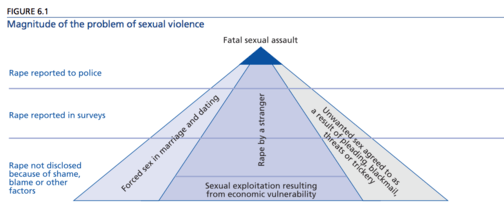
Sexual violence against women is documented in the news more and more. For every story of rape and murder against a woman, there is a dozen other stories that never make it to print. Women in third world countries, women in rural areas without a voice, are betrayed by the power ridden men that surround them. A global estimate published stats that ‘1 in 3 (35%) of women worldwide have experienced either physical and or sexual intimate partner violence or non-partner sexual violence in their lifetime’. As well as Times Up there are also a number of charities that offer support to women searching refugee from sexual harassment or sexual violence. You can support either through donation or sharing and raising awareness. Rape crisis in England and Wales, The Survivors Trust and CSASS, are all specialist centres for people who have suffered assault or rape. The Havens in London helped me in 2016 deal with my assault. After being in pain for several days after and embarrassed to go to a clinic, I called The Havens. Crying and alone outside my local clinic after not being able to receive an appointment, they spoke to me calmed me down and made me feel supported. These charities are crucial in helping survivors realise it isn’t and will never be their fault.
https://rapecrisis.org.uk/breakthesilence-film-campaign
‘It doesn’t matter what you were wearing, how much you’d drank, if you’d taken drugs, or if you’d slept with them before. If you didn’t want it or couldn’t say if you wanted it because you were asleep or out of it then it is rape’ – From the Rape Crisis ,#Breakthesilence film campaign
I hope one day I can bring my children into a world where sexual assault is no longer tolerated, where there is no more victim shaming, rapists aren’t let off with light sentences and equality roams freely. For years I went through my life apathetic, scared to raise my voice at the risk of being ‘boring’ ‘too serious’, worried it seemed ‘uncool’ to care about the world and people around me. But if one person is affected or changed by the words I put out there then it’s all worth it, I’ll take being boring. If this blog post has made you feel uncomfortable then you are part of the problem, of course this is an uncomfortable subject. But remember this is something people have lived through, and they continue to live with. And to those brave people never be ashamed, never hide away, you are beautiful and more importantly you are not alone #MeToo.
Below is the link where you can donate to the Times Up legal defence fund. Which supports lower-income women, seeking justice for sexual harassment or assault within the workplace. So, I’ll leave you with this quote by Audre Lorde remember it as you go about your daily routine ‘I am not free while any women is unfree, even when her shackles are very different from my own’.
#TimesUp on injustice everywhere.
 Katherine O'Rourke