With Pride month and celebrations over for another year, it is so important to continue to share queer art and raise the voices of queer artists. Earlier this year I went to Zanele Muholi’s exhibition at the Tate with my girlfriend and it was one of the most incredible displays I have seen in 2021. Their mission through art is ‘To re-write a Black queer and trans visual history of South Africa for the world to know of our resistance and existence at the height of hate crimes in South Africa and beyond’ Months later the art I witnessed still holds a special place in my heart and I felt called to share it with all of you, in the hope it would move you like it did me.
Zanele Muholi is a South African visual artist whose pronouns are they/them/theirs. Their work tells the stories of Black LGBTQIA+ lives in South Africa and beyond. Zanele uses photography to raise awareness of injustices these people face. Whilst educating and creating a positive visual history for those misrepresented communities. Despite the equality promised by South Africa’s 1996 constitution after the abolishment of Apartheid in 1994, the LGBTQIA+ community remained a target for prejudice and violence. Muholi reveals that through all the injustice and discrimination, sit the lives of these people. The everyday, the love, the defiance that all exists within the LGBTQIA+ communities in South Africa.
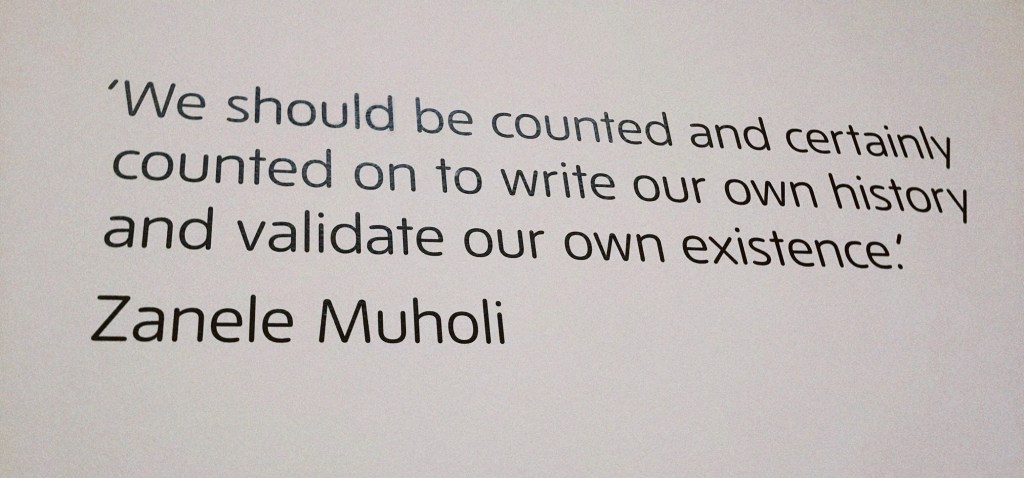
Each title of work throughout the series remained in isiZulu, which is Muholi’s first language. Zanele wanted to encourage Western audiences to understand and pronounce the names. This is a criticism to never forget what happened during colonialism and apartheid. During those years Black people were often given English names by their then employees. Sometimes teachers or employees would simply refuse to pronounce or remember their real names. These are microaggressions used to try and eradicate the identity of the individuals. By keeping the names in their first language it becomes a part of Zaneles’ activism, taking ownership of their language and identity. It remained a powerful undertone throughout the entire exhibition.
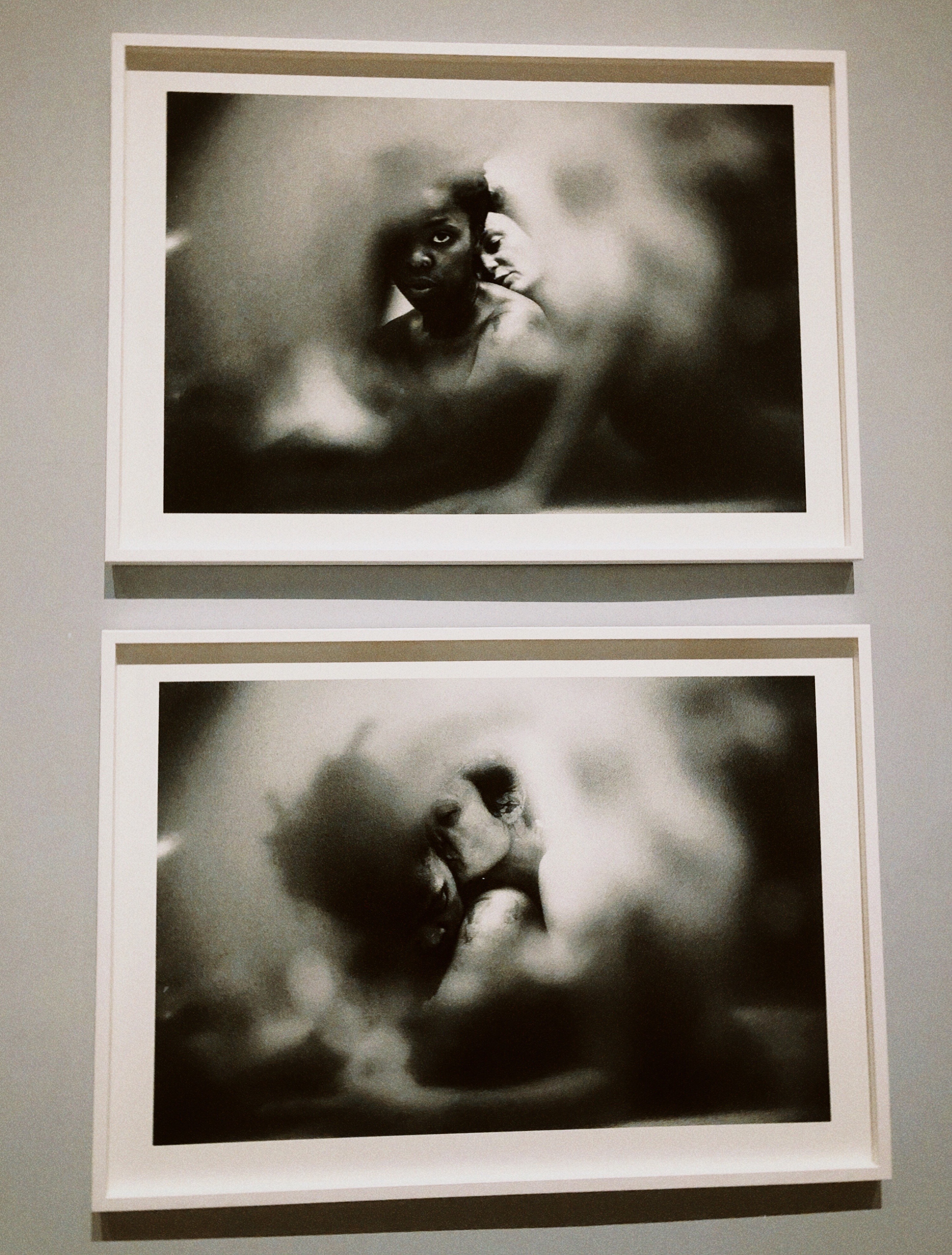
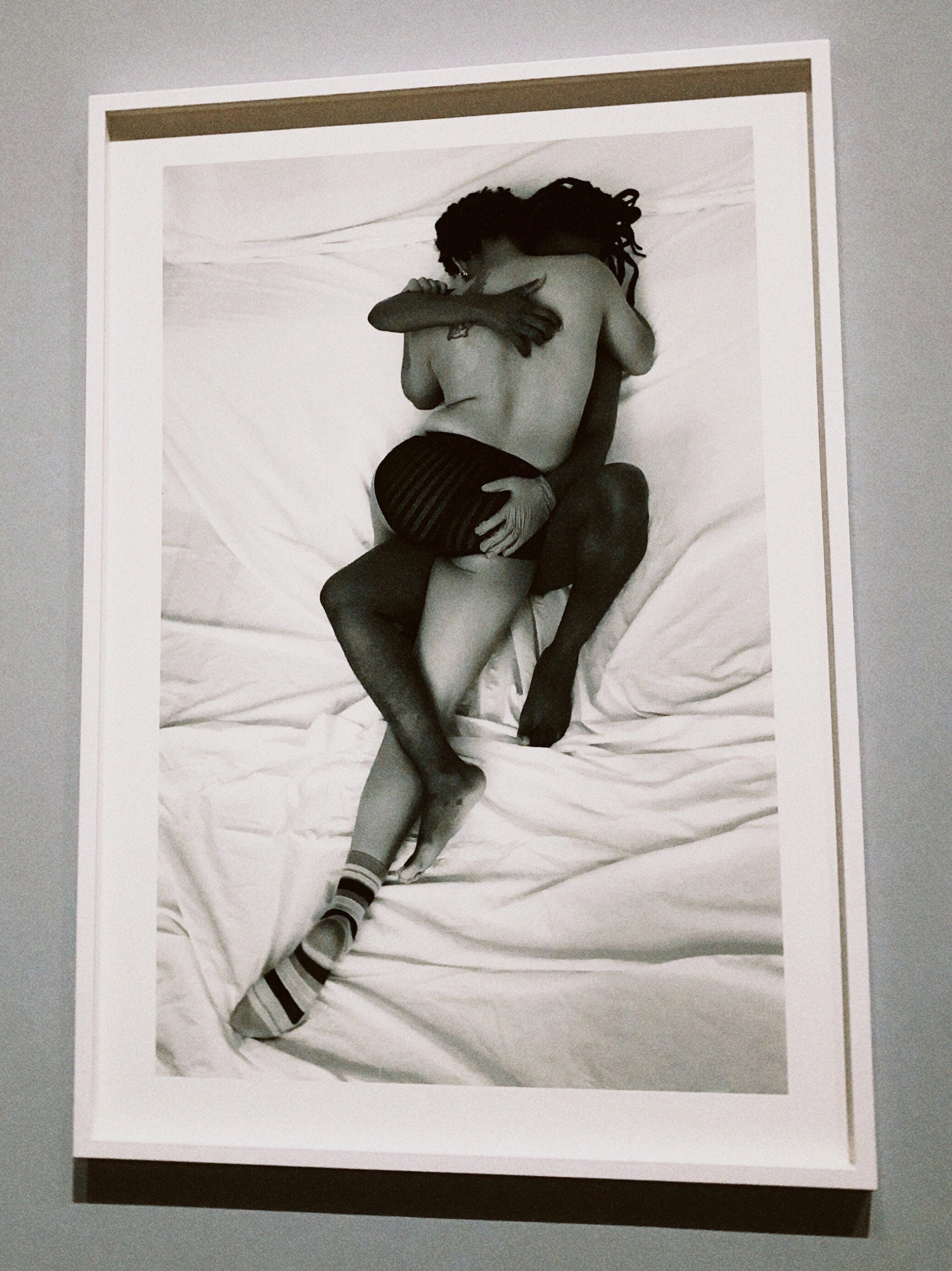
Walking into room two I was greeted with Muholi’s series Being, this was one of my favourite parts of the exhibition. The variety of portraits capture different moments of intimacy between queer couples, highlighting their routines and daily life, taken in the private spaces they share. Throughout the room they address the misconception that queer life is ‘unAfrican’. Instead Muholi showcases queer life in Africa with pride, their love beaming out of each photograph. Zanele’s use of intimacy helps to dismantle the white patriarchal gaze from the photographs. Staring into each image you are made to look past social systems, gender, sexual orientation. All that matters is the life shared between two souls as their affection and relationship is documented. Balancing strength with vulnerability, through wonderfully sensitive depictions of love. “If bodies are connected, connecting, the sensuousness goes beyond simplistic understandings of gender and sexuality” – Zanele Muholi
Queering public spaces and Collectivity were two parts of the exhibition that saw the participants photographed in the streets and public spaces. What I loved most about the shots of Collectivity was the community spirit seen throughout. Documenting their happiness and defiance at Pride marches and protests, making a stand to say we are here and we will not be forgotten. Queering public spaces contains portraits of gay men, transgender women and gender non-conforming people visibly in public places. The message behind the photographs is powerful. These images unlike others were in bright bold colours, showcasing them with the message that they never have to hide away. Many people within society will still refuse to acknowledge the existence of LGBTQIA+ people, but Zanele’s work forms an ever-expanding visual archive. By them recording the existence of queer people, it is proof of their lives, resisting erasure from history regardless of the ignorance that still floods the world.
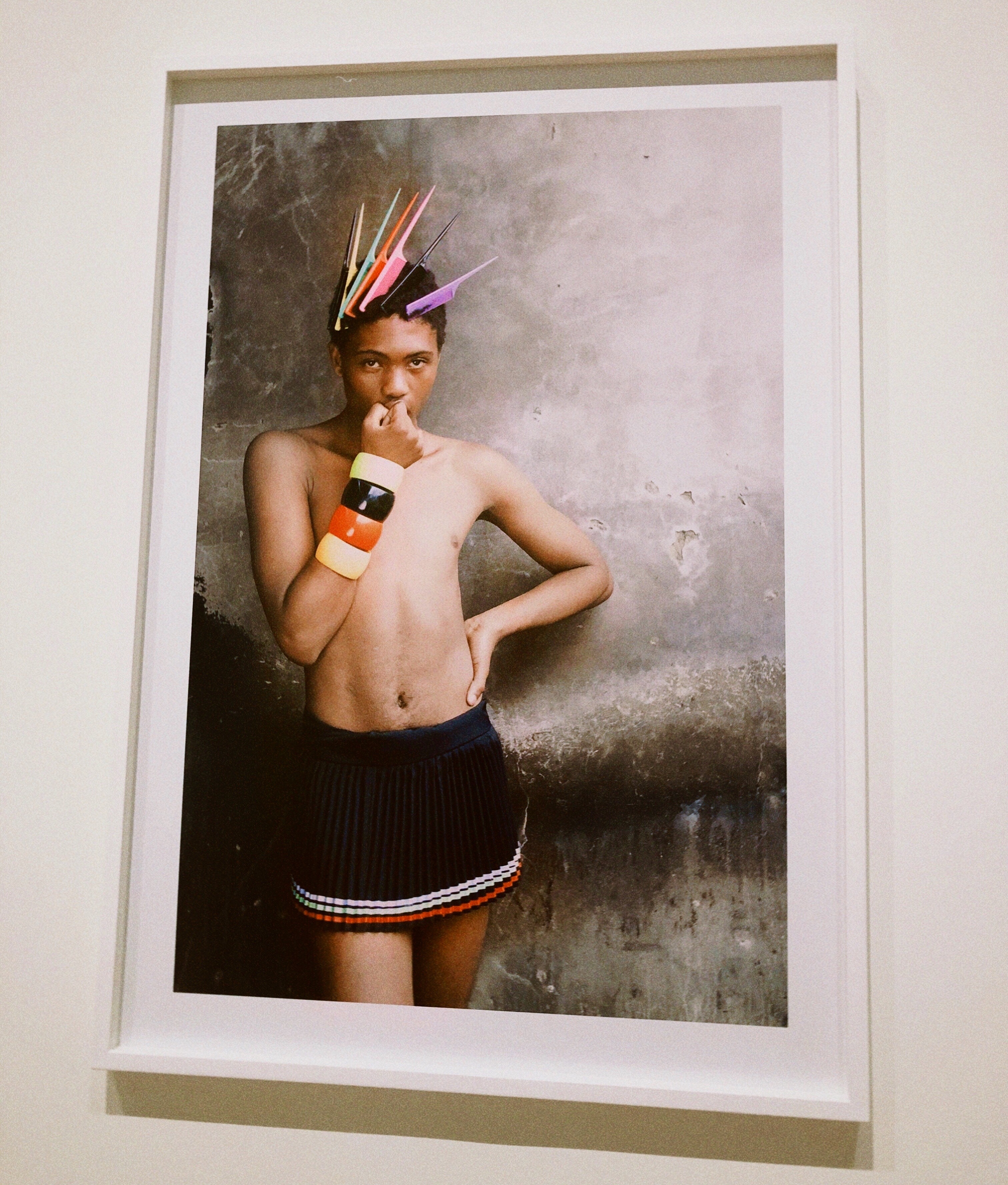
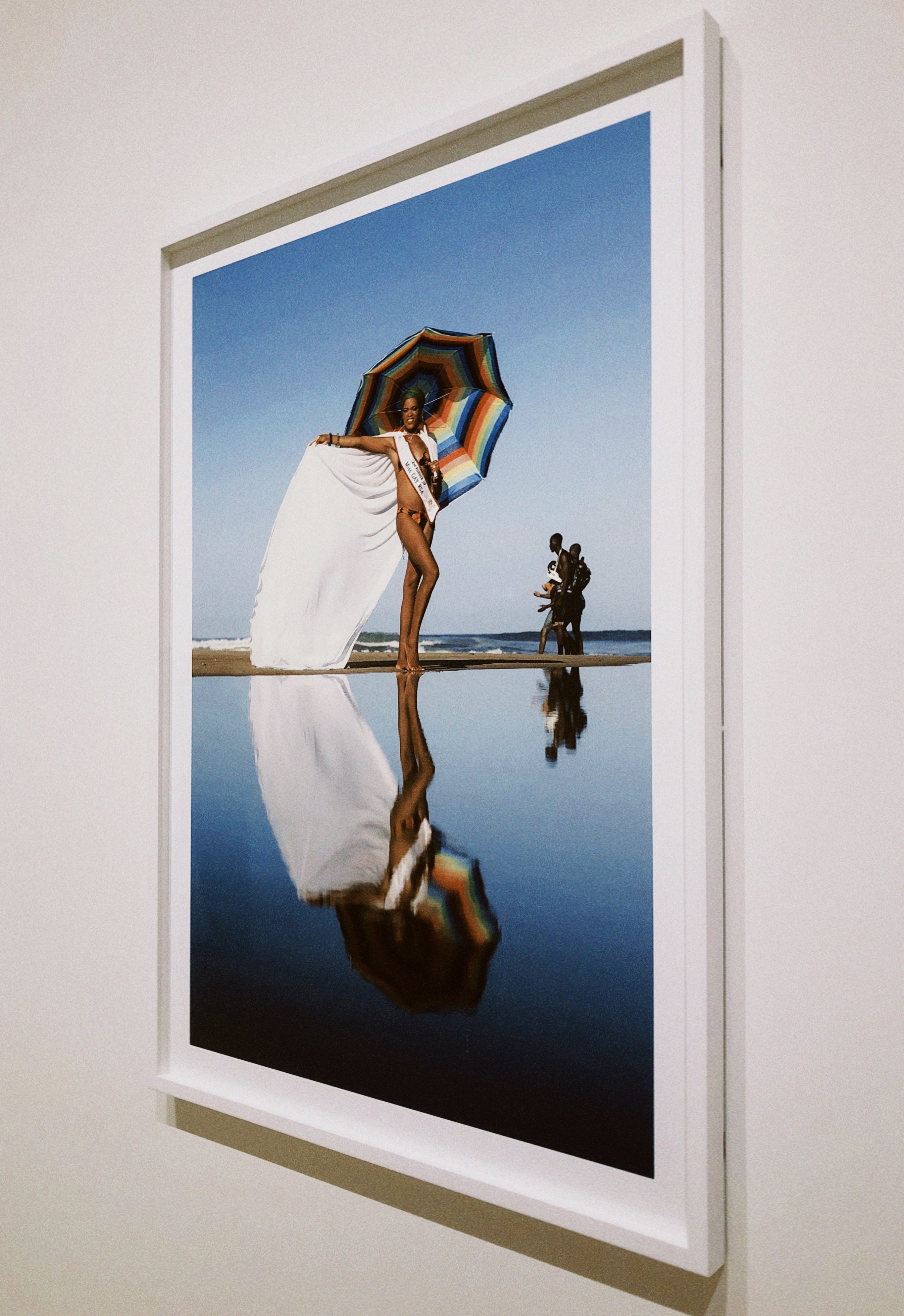
As we walked further through the exhibition we reached a section of survivor portraits. I gazed through each photograph and I couldn’t help but feel their pain. Tears filled my eyes looking into theirs and understanding the struggle to live in your body after someone has violated it. Life naturally continues but you are forever changed, left with internal scars that don’t show to the naked eye. On a wall-sized chalkboard different personal narratives had been written out by the artist. Each one gives a small insight to the story that lies behind. “I was raped by my cousin” a section on the board read. One lesbian survivor tells the story of how their cousin who was HIV positive had raped them on purpose. My heart ached at the atrocities they had to endure and beamed at the same time because of their bravery to lay their story out there for the world to see. Regardless of the atrocities they had faced Muholi’s photographs are presented to show their strength, courage and dignity in the face of ongoing discrimination.
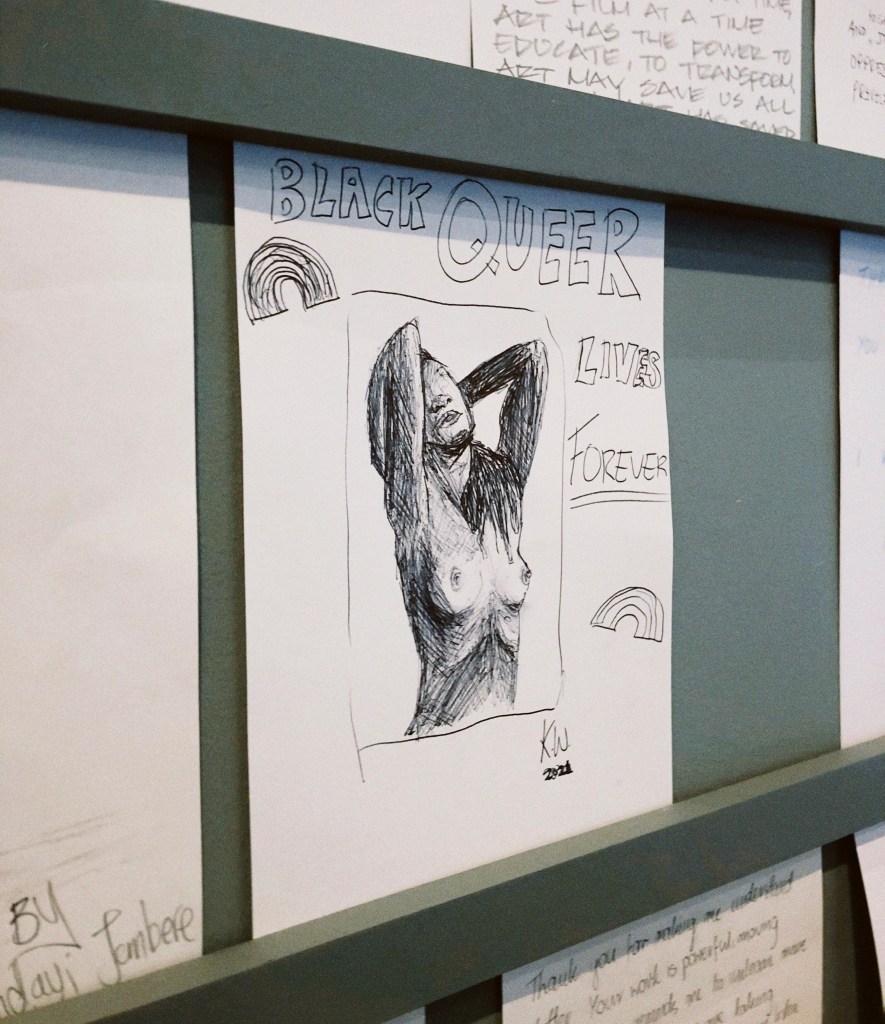
Zanele showcases the true beauty of each person they photograph. Capturing them in their most honest and natural state, despite all the adversities they have faced. Showing that we are all made up of stories, they weave through us, change and shape us. It was a privilege to take a look into these personal stories portrayed through photography by Zanele. These individuals wear their stories as a badge of honour, as if to say society may not accept me but I love and accept myself. There is truly nothing more powerful than being yourself in a world that tells you to be everything but.
Some pieces of art sit on your soul after you witness them, Zanele’s has definitely left a lasting imprint on mine. I can’t recommend enough booking to see one of Muholi’s art exhibitions, it is truly something that has to be perceived with your own eyes. The effects of their imagery are limitless, they showcase brutality alongside the ordinary every day. In a way showing that you can be scarred but still happy, still full of so much love and life.
This post is dedicated to the Black LGBTQIA+ lives lost through hate crimes. I hope their souls are at peace and living freely in the way they were denied here on Earth.
Link to more information on Zanele Muholi and their work: https://linkmix.co/6380338
 Katherine O'Rourke